Back to Services

Genetic Kidney Disease (ADPKD) Management in Kolkata

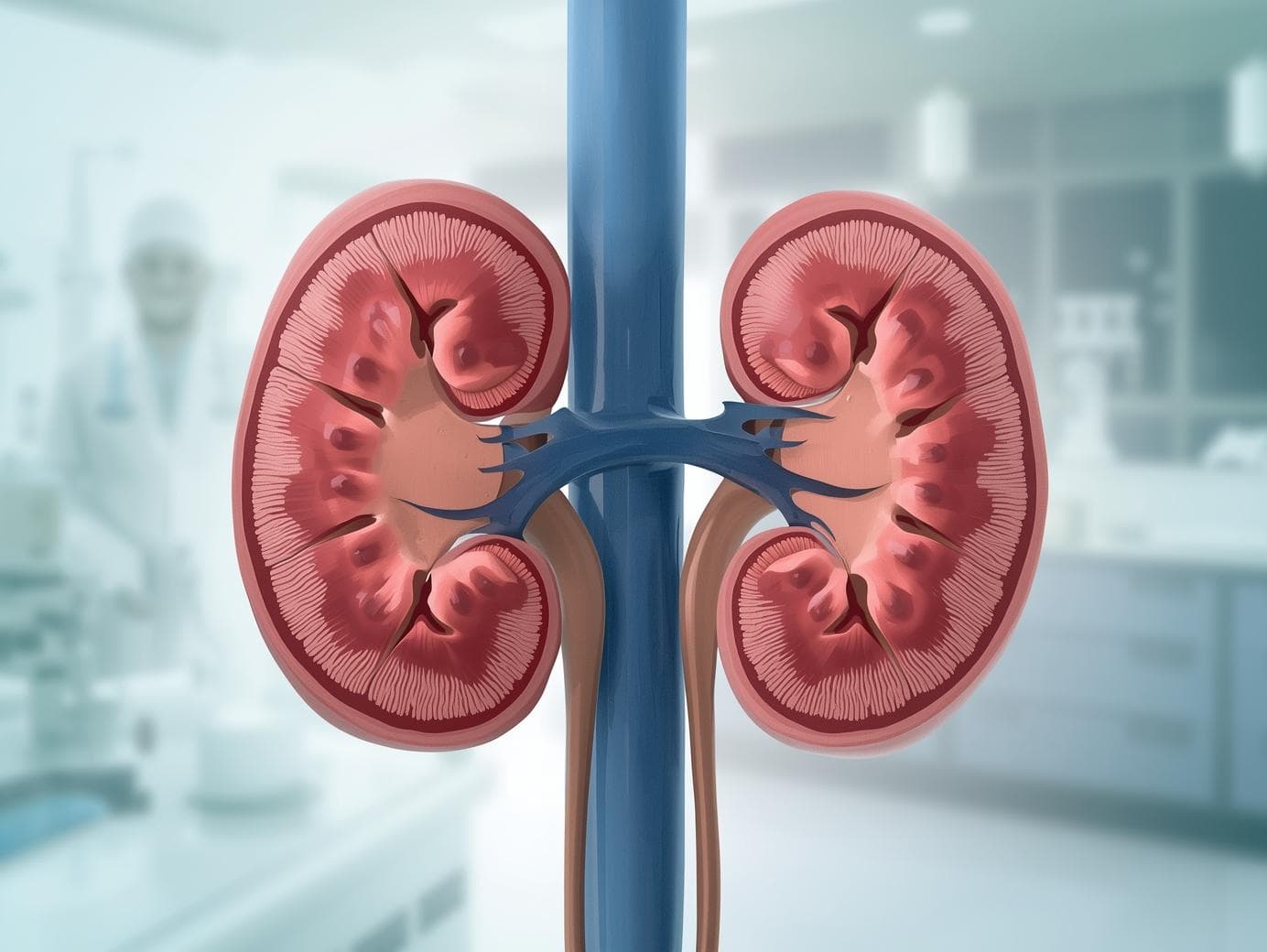
Autosomal Dominant Polycystic Kidney Disease (ADPKD) is one of the most common inherited kidney disorders. It is characterized by the gradual development and enlargement of multiple cysts in the kidneys, leading to progressive kidney damage over time. Although ADPKD cannot be cured, early diagnosis and structured management can significantly slow disease progression and reduce complications.At Nephro Care India, ADPKD management in Kolkata is delivered through a comprehensive, evidence-based, and patient-centered approach. Our focus is on preserving kidney function, monitoring disease progression, managing complications, and providing long-term guidance for patients and families.

Genetic Kidney Disease (ADPKD) Management

What Is Autosomal Dominant Polycystic Kidney Disease (ADPKD)?

ADPKD is a genetic condition in which fluid-filled cysts gradually grow within the kidneys, causing them to enlarge and lose function over time. It is inherited in an autosomal dominant pattern, meaning a child has a 50% chance of inheriting the disease if one parent is affected.

Key characteristics include:

  • Progressive enlargement of kidneys
  • Gradual decline in kidney function
  • Development of hypertension at an early age
  • Risk of kidney failure later in life

ADPKD often remains silent for years before symptoms appear.

Why Is ADPKD Management Important?

Although ADPKD progresses slowly, unmanaged disease can lead to significant complications. Structured management helps to:

  • Slow kidney function decline
  • Control blood pressure effectively
  • Reduce pain and discomfort from cysts
  • Prevent or manage complications
  • Delay the need for dialysis or transplant
  • Improve long-term quality of life

Patients searching for genetic kidney disease management in Kolkata often require lifelong nephrology care.

Who Needs ADPKD Management?

ADPKD management is essential for:

  • Individuals diagnosed with polycystic kidney disease
  • Patients with family history of ADPKD
  • Individuals with enlarged kidneys on imaging
  • Patients with early-onset hypertension
  • ADPKD patients with declining kidney function
  • Family members requiring screening and counselling

Early specialist involvement significantly improves outcomes.

Common Symptoms and Complications of ADPKD

ADPKD may cause a variety of symptoms and complications over time.

Common Issues Include:

  • High blood pressure
  • Flank or abdominal pain
  • Blood in urine
  • Recurrent urinary tract infections
  • Kidney stones
  • Progressive chronic kidney disease

Extra-Renal Complications May Include:

  • Liver cysts
  • Brain aneurysms (in selected patients)
  • Heart valve abnormalities

Monitoring beyond the kidneys is an important part of care.

How Is ADPKD Diagnosed?

Diagnosis is based on clinical history, family history, and imaging.

Diagnostic Evaluation Includes:

  • Ultrasound or CT/MRI imaging of kidneys
  • Blood tests for kidney function
  • Urine tests for protein or blood
  • Blood pressure assessment
  • Family screening and genetic counselling when appropriate

Early diagnosis allows timely monitoring and intervention.

How Is ADPKD Managed?

ADPKD management focuses on slowing progression and managing complications rather than curing the disease.

Key Components of Management Include:

  • Strict blood pressure control
  • Regular monitoring of kidney function and kidney size
  • Pain management strategies
  • Prevention and treatment of infections
  • Management of kidney stones
  • Lifestyle and dietary modification
  • Cardiovascular risk reduction
  • CKD stage-wise management
  • Dialysis and transplant planning when required

Care plans are individualized based on disease severity and patient profile.

Is ADPKD Progression Preventable?

ADPKD progression cannot be completely prevented, but it can often be slowed with proper care.

With structured management:

  • Kidney damage progression can be delayed
  • Complications can be detected early
  • Many patients maintain kidney function for decades

Regular follow-up and adherence to treatment play a crucial role.

Role of Lifestyle and Diet in ADPKD Care

Lifestyle measures support medical management and kidney protection.

Focus Areas Include:

  • Adequate hydration (as advised)
  • Low-salt diet
  • Blood pressure-friendly nutrition
  • Healthy weight maintenance
  • Avoidance of kidney-toxic medications
  • Regular physical activity suited to health status

Dietary advice is personalized according to kidney function and symptoms.

How ADPKD Is Managed at Nephro Care India

At Nephro Care India, ADPKD care follows a structured and ethical long-term management model.

Our ADPKD Care Includes:

  • Early diagnosis and risk assessment
  • Regular monitoring of kidney size, creatinine, and eGFR
  • Aggressive yet safe blood pressure control
  • Pain and complication management
  • Screening for extra-renal complications when indicated
  • Family counselling and education
  • CKD management and dialysis planning when needed
  • Long-term follow-up and patient support

Our aim is to preserve kidney health while supporting overall well-being.

What Our Patients Say

Real experiences from patients who have used our Genetic Kidney Disease (ADPKD) Management

CKD Stage 5 - Regular Dialysis Patient

I've been coming here for dialysis for the past 2 years. The staff is incredibly caring and professional. The machines are modern and the facility is always clean. I feel safe and comfortable during every session.

Abdul Karim

Abdul Karim

Acute Kidney Injury - Emergency Dialysis

When I needed emergency dialysis, the team here saved my life. They were quick, professional, and explained everything clearly. The doctors visited me regularly and made sure I was recovering well. Forever grateful!

Rahima Begum

Rahima Begum

Diabetic Nephropathy - 3x Weekly Dialysis

The dialysis center is like a second home to me now. The technicians know me by name and always ask about my family. The treatment is painless and I feel much better after each session. Highly recommended!

Mohammad Hasan

Mohammad Hasan

CKD - Preparing for Transplant

The care I received while on dialysis helped me stay healthy until my transplant. The dietary counseling and regular monitoring made a huge difference. The team truly cares about their patients.

Fatima Khan

Fatima Khan

Frequently Asked Questions (FAQs)

Common questions about this service answered for you

Yes. ADPKD is a genetic condition passed from parent to child.

No. There is no cure, but progression can often be slowed with proper care.

No. Many patients maintain kidney function for years or decades.

Yes. Family screening and counselling are recommended.

Yes. Liver cysts and other complications may occur and require monitoring.

Genetic Kidney Disease (ADPKD) Management in Kolkata | Nephro Care India